
The Noticing Project: Week 4 - Noticing Successes
There are students whose names used to live on your calendar. You knew their stories. You knew the weight they carried. You recognized the look in their eyes on the hard days, and you celebrated the small victories that meant everything.
And then, quietly, they stopped coming.
No crisis. No referral. Just absence.
Where did they go? How is it they are not needing you as much?
It is easy to let their absence fade into the background while new concerns take their place.
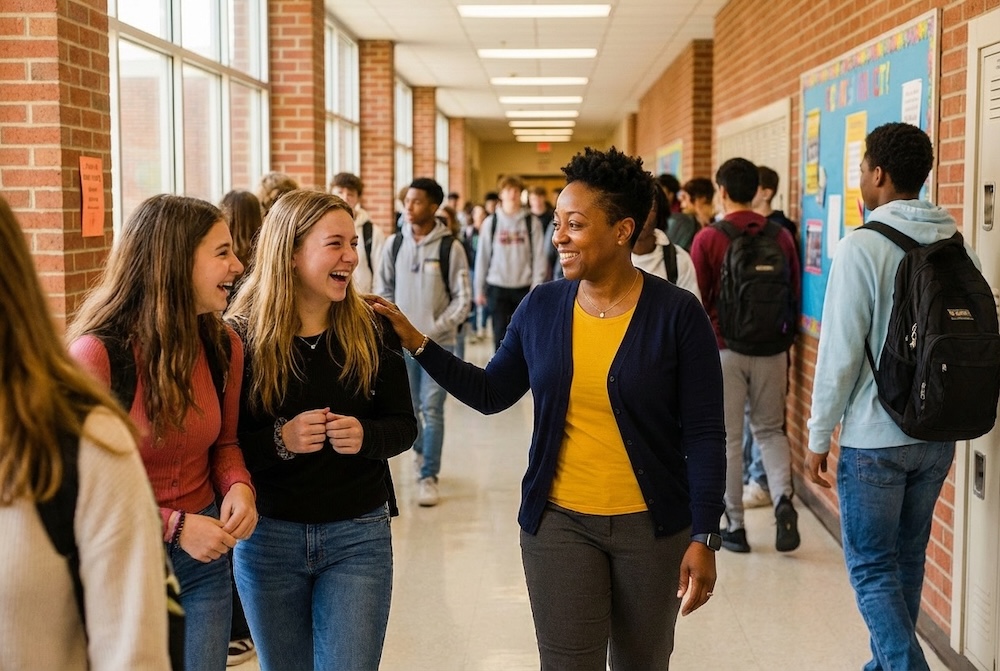
But what if this week, you paused there? What if you chose to get up from your desk and walk the halls during passing period, seeing those students out there, not in your office. Watch for their faces. Something has shifted or they would be in your office. Something is working. And if something is working, it is worth noticing and asking about.
It can be as simple as walking up to a student who seems happier, or more engaged with friends or a teacher, waiting quietly and then tapping on their shoulder with. “Hey, good to see you. Tell me, what’s been better for you lately?”
I am not only suggesting this just to reinforce your work, although it will probably be a huge compliment to see their faces glowing a bit. I am suggesting that asking the student or teacher, “what’s going better for you?” helps them to revisit what they did successfully. It reinforces their changes and helps to keep those changes working. Here’s more about why I am asking you to do this:
My dissertation research was about seeking what causes change in solution focused therapy. I did the research at Steve de Shazer’s clinic, the Brief Family Therapy Institute in Milwaukee. My research involved asking clients who were successful there, they thought the therapist did to help them. I then asked their therapists what they thought they did to help their clients.
The answers from each group were very different from each other!
To this day, after every class, presentation or session with a student, teacher or parent, I ask this question:
}“What did we do in here today, if anything, that might have made a difference for you?”
I am always surprised at the answers.
This week, as you seek those who do not seek you as much, ask them:
“What did we do together, if anything, that helped you when we talked? I would love to know so I can help other kids.”
It is both a compliment to your ex-student client and, information for you.
I would love for you to take time to email me what you hear students say. Send it to: [email protected]
I am putting together our last SF Connection for the school year, on April 22, and would love to hear the answers you receive.
So go find them. Today. This week. In the middle of everything else you must do. Take a break and find one student who used to sit in your office and ask them, “What’s been better?”
Then listen as if it matters, because it does. You may be the first person to help them realize that they didn’t just stop coming. They started becoming.


