
Using the Miracle Question on World Peace and Understanding Day
February 23rd is World Peace and Understanding Day, a day when we're invited to think globally about harmony, connection, and what's possible when people choose understanding over conflict.
But here's what I know about school counselors... you don't need a global stage to create peace.
You do it every single day, one conversation at a time, in hallways, classrooms, and offices across your building.
And one of the most powerful tools you have for creating that peace? The Miracle Question.
If you're not familiar with it, the Miracle Question goes something like this:
"Suppose tonight while you're sleeping, a miracle happens. The problem that's been bothering you is solved. When you wake up tomorrow, what will be the first small sign that tells you this miracle has occurred?"
It's a simple question, but it does something extraordinary: it shifts the conversation from what's wrong to what's possible. From conflict to peace. From stuck to moving forward.
Why This Matters on World Peace and Understanding Day
Peace doesn't start with nations or policies. It starts with individuals learning to see each other differently, to imagine a better way forward, and to take one small step toward it.
That's exactly what the Miracle Question helps students, teachers, and parents do.
When a student says, "My teacher hates me," you could ask:
"Suppose tomorrow you walk into class and things feel different, more peaceful. What would you be doing that would tell your teacher you were more than what she saw?"
When a teacher says, "These two students can't be in the same room," you could ask:
"Imagine a day when they're working near each other and it's going okay. Where would they be in the classroom and what might you be doing so that they can at least be in the same room just that day?"
When a parent calls frustrated about sibling conflict at home, you could ask:
"Picture a morning when things are calmer between them. What would you see? Take me back to a time when this happened slightly. What was different then, and what were you doing to help that happen?"
Try A Miracle Question Conversation This Week
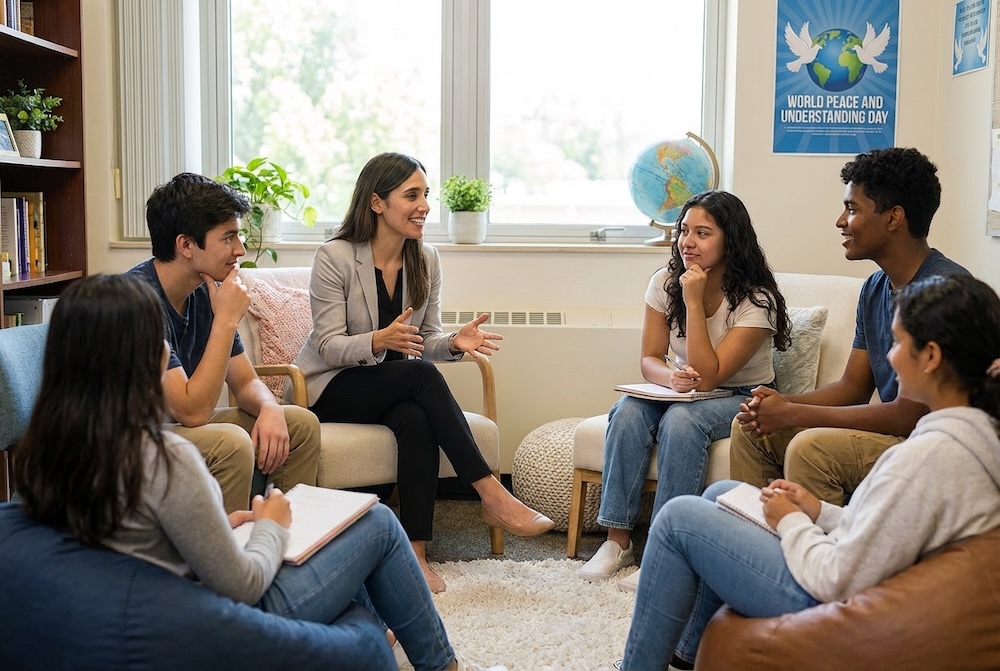
This week, in honor of World Peace and Understanding Day, invite a small group of students - or even your staff - to explore the Miracle Question together.
You might say:
"Today is World Peace and Understanding Day. Let's think small for a moment. Suppose a miracle happened overnight and our school felt more peaceful tomorrow. What would be the first thing you'd notice? What would be different in the hallways? In classrooms? Between students?"
Then listen. Really listen. Let them paint the picture.
You might be surprised by what they already know about creating peace. They've seen it before—moments when things went better, when someone chose kindness, when a conflict didn't escalate.
Your job isn't to create the miracle. It's to help them remember that they've already experienced small versions of it, and that they have everything they need to make it happen again.
Peace starts with one question, one conversation, one small shift.
And you, dear counselor, are exactly the person to ask it.


